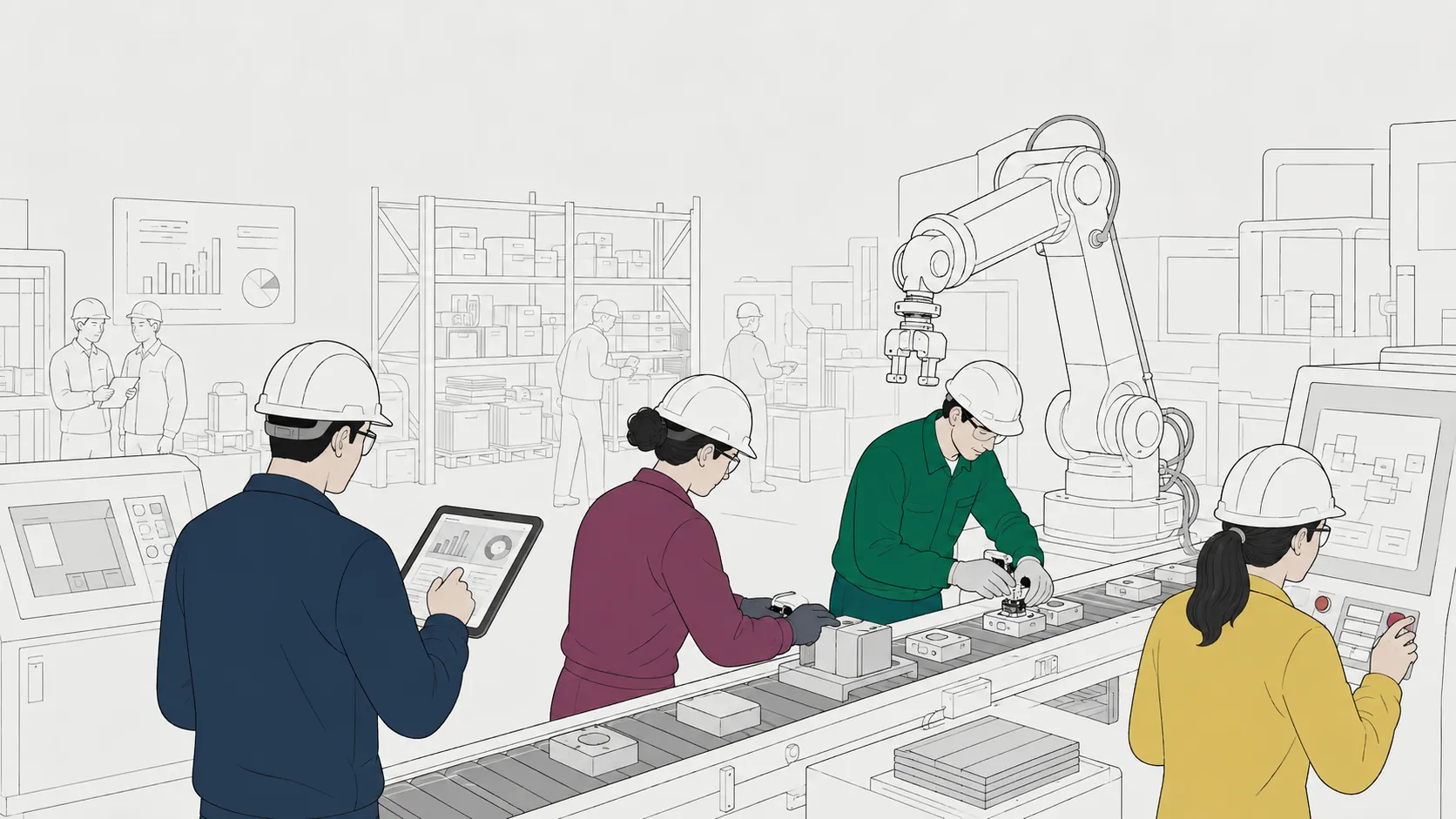
Manufacturing Orders are used to initiate and manage production activities in Odoo. A manufacturing order specifies the product to be manufactured, required quantity, components, operations, and other production information. Production teams can create manufacturing orders manually or generate them based on sales orders, replenishment rules, or other configured business processes. Each order provides visibility into component availability, production progress, consumed materials, and finished products.
The Bill of Materials is one of the most important components of Odoo Manufacturing. It defines the raw materials, components, subassemblies, and operations required to manufacture a finished product.
Odoo supports multi-level Bills of Materials, allowing manufacturers to represent complex products that require several intermediate components. BoMs can also include different manufacturing operations, work centers, instructions, and production-related configurations.
Odoo Work Orders divide a manufacturing process into individual operations that can be performed at specific work centers. Each operation can have its own duration, instructions, employees, equipment, and workflow requirements.
Production teams can track the progress of individual work orders and identify where a manufacturing order currently stands. This makes Odoo Manufacturing useful for businesses with multiple production stages or assembly operations.
Work Centers in Odoo Manufacturing
Work Centers represent the machines, production areas, assembly stations, or other resources where manufacturing operations are performed. Businesses can configure work center capacity, working hours, efficiency, expected duration, and other operational parameters.
By managing work centers in Odoo, manufacturers can improve production scheduling and understand resource utilization. Work center information can also be used for production planning and manufacturing cost calculations.
Odoo Manufacturing provides tools for planning production based on demand, available inventory, replenishment requirements, and manufacturing capacity. Production planners can review manufacturing requirements and schedule production activities accordingly. The integration between manufacturing and inventory allows businesses to identify material requirements before production begins. This helps reduce production delays caused by unavailable components and improves overall production planning.
Production scheduling helps manufacturers determine when manufacturing orders and work orders should be performed. Odoo can consider work center availability, operation duration, working calendars, and production requirements when planning manufacturing activities.
Effective production scheduling helps businesses use their resources more efficiently while reducing unnecessary downtime and production bottlenecks.
Odoo Manufacturing tracks the components and raw materials consumed during production. Materials can be automatically consumed based on the configured Bill of Materials or recorded according to the actual production process.
This provides better visibility into raw material usage and helps businesses compare planned consumption with actual consumption. Accurate material tracking also improves inventory accuracy and manufacturing cost analysis.